
Summer in the north has a pulse. You can feel it in the long golden evenings, in the rivers racing with snowmelt, and in your own heartbeat as you climb a ridge above the tundra. If you want a trip that gets you moving but still leaves room for wonder, Arctic Summer Heartbeat, Active Summer Adventure Yukon (7 days) is the kind of journey that fits the mood perfectly.
This guide explains what an active week in the Yukon can look like, how to match the pace to your fitness, when to go, and how to prepare so you can enjoy every mile.
Why Choose an Active Summer Adventure in the Yukon?
The Yukon is one of the few places where wilderness feels truly open. Trails are uncrowded, rivers are wide and clear, and mountains rise without the fences and tour buses you might find elsewhere. In summer, the territory also gives you something rare: daylight that lasts and lasts. Around the solstice, Whitehorse enjoys nearly nineteen hours of light, and farther north the sun may barely set at all.
That extra light changes how you travel. You can start a hike after dinner, paddle in the soft glow of evening, or end the day with a campfire at ten o’clock and still see where you are going. For active travelers, it feels like gaining extra hours in every day.
What the Program Usually Includes
An Arctic Summer Heartbeat, Active Summer Adventure Yukon (7 days) typically blends several kinds of movement so your body and your attention stay fresh. Expect a mix like this:
-
Hiking on alpine ridges, forest paths, and tundra trails
-
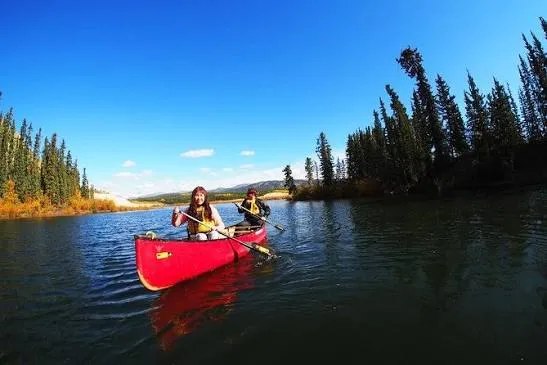
Paddling a canoe or kayak on a river or lake
-
Cycling or mountain biking on scenic gravel or singletrack
-
Wildlife watching and photography stops
-
Cultural and historical visits to museums, heritage sites, and small communities
-
Optional extras, such as scenic flights, fishing, or a visit to a hot spring
Exact activities depend on the operator and the season, so confirm the itinerary before you book.
A Sample Seven-Day Itinerary
Every company designs things slightly differently, but this outline shows how an active week often flows.
Day 1: Arrive in Whitehorse. Check in, stretch your legs along the Yukon River, and have an early dinner. A short evening walk is a gentle way to shake off travel fatigue.
Day 2: Paddling the Yukon River. Spend the day on the water with a guide. Calm stretches give you time to watch for eagles, while livelier sections add excitement. Many routes pass Miles Canyon, where dark rock walls frame vivid blue-green water.
Day 3: Carcross and the turquoise lakes. Drive south to Carcross, home to its famous sandy dunes and colorful lakes. Rent a bike or hike a nearby ridge, then finish with a relaxed meal in the village.
Day 4: Into the mountains of Kluane. Travel west to Kluane National Park and Reserve, where the St. Elias Mountains and huge glaciers dominate the horizon. Choose a trail that suits your fitness, from a gentle lakeside stroll to a longer alpine route.
Day 5: North toward Dawson City. Head up the Klondike Highway to Dawson City, a historic gold rush town with wooden boardwalks and lively summer evenings. Try gold panning, visit a museum, or simply enjoy the atmosphere.
Day 6: Tombstone Territorial Park or the Dempster Highway. Drive a portion of the Dempster Highway into Tombstone, where jagged dark peaks rise above colorful tundra. Hike a trail, look for wildlife, and take in views that feel almost unreal. Some programs continue north toward the Arctic Circle, which adds a long but rewarding day.
Day 7: Return and depart. Travel back toward Whitehorse, stopping for photos along the way, and head to the airport with tired legs and a full camera.
Itineraries may be reversed or shortened, and some versions add a flight north instead of a long drive. Ask the operator exactly how many hours you will spend in a vehicle each day.
How Fit Do You Need to Be?
This is the question most travelers ask first. The good news is that an active program does not have to be extreme. Most days include moderate effort, such as two to five hours of hiking or paddling, followed by rest. If you can walk comfortably for a few hours on uneven ground, you will probably be fine.
A few ways to prepare:
-
Walk regularly, ideally with a loaded daypack, for several weeks beforehand.
-
Practice stairs or hills to build leg strength.
-
Break in your hiking boots early, so blisters do not ruin your trip.
-
Add gentle core and shoulder work if paddling is part of the plan.
-
Tell the operator about any health concerns or injuries before departure.
Good guides adjust the pace, offer shorter alternatives, and keep the group together. There is no shame in choosing the easier option.
The Best Time to Go
The active summer season in the Yukon is short but generous.
June. Peak daylight, fresh green hillsides, and strong rivers from snowmelt. Wildflowers begin to appear, and mosquitoes are usually manageable.
July. The warmest month and the busiest. Trails are fully open, water is friendly for paddling, and daytime temperatures are pleasant. Book early.
August. Evenings begin to darken, which allows early aurora sightings in some years. Fireweed turns hillsides pink, berries ripen, and the first autumn colors appear in the highlands.
Staying Safe in the Wild
The Yukon rewards preparation. Weather in the mountains can change within an hour, so carry layers and a rain jacket even on a sunny morning. Bring plenty of water, snacks, sunscreen, and a map or navigation device. Cell coverage is limited in many areas.
Wildlife deserves respect. Bears, moose, and other animals live here, and reputable guides teach basic safety. Stay together, keep a calm voice, never approach or feed animals, and follow the guide’s instructions at all times.
Insects are part of the season too. Repellent, a head net, and light long sleeves make a real difference near water and forest.
What to Pack
-
Broken-in hiking boots and extra socks
-
A waterproof, breathable rain jacket and a warm fleece
-
Quick-dry pants, a sun hat, and sunglasses
-
A 20 to 30 liter daypack with a reusable water bottle
-
Insect repellent, sunscreen, and lip balm
-
A first aid basics kit, including blister care
-
An eye mask, since bright midnight skies can disturb sleep
-
A camera or phone with spare power
Most operators provide specialized equipment such as paddles, life jackets, and helmets.
Eating and Recovering Well
Active days burn a lot of energy. Eat a proper breakfast, snack often, and drink water throughout the day. In the evening, choose a hearty dinner and give your muscles time to recover. A short stretch before bed makes the next morning easier.
How to Choose the Right Program
Before booking, compare a few important points:
-
Group size. Smaller groups feel safer and more flexible.
-
Difficulty rating. Look for clear descriptions of distance, elevation, and pace.
-
Guide credentials. Wilderness first aid training and local experience matter.
-
Inclusions. Check meals, lodging, park fees, and transport.
-
Backup plans. Ask how the program handles smoke, rain, or road closures.
-
Recent reviews. Real traveler feedback tells you more than glossy photos.
Frequently Asked Questions
Is this suitable for beginners?
Often yes, if you choose a program with moderate daily activity and tell your guide about your experience level.
Will I see the northern lights?
Not in mid-summer, because the nights are too bright. Late August offers the best chance in the warm season.
Can families join?
Many programs welcome older children and teens, though age limits apply to some activities.
Do I need a rental car?
Usually not. Most organized programs include transport.
Final Thoughts
Arctic Summer Heartbeat, Active Summer Adventure Yukon (7 days) is about more than fitness. It is about feeling alive in a landscape that does not rush you. Climb a little, paddle a little, breathe the cold clean air, and let the long northern light stretch your days. Prepare sensibly, stay curious, and you may find that the Yukon gets under your skin in the best possible way.