
Choosing where to stay can shape an entire trip as much as the destination itself. In 2026, two popular options—boutique hotels and luxury resorts—continue to appeal to travelers for very different reasons. Both can deliver high levels of comfort and service, yet they solve different needs. Understanding their core strengths helps travelers match the stay to the kind of experience they actually want.
Defining the Two Experiences
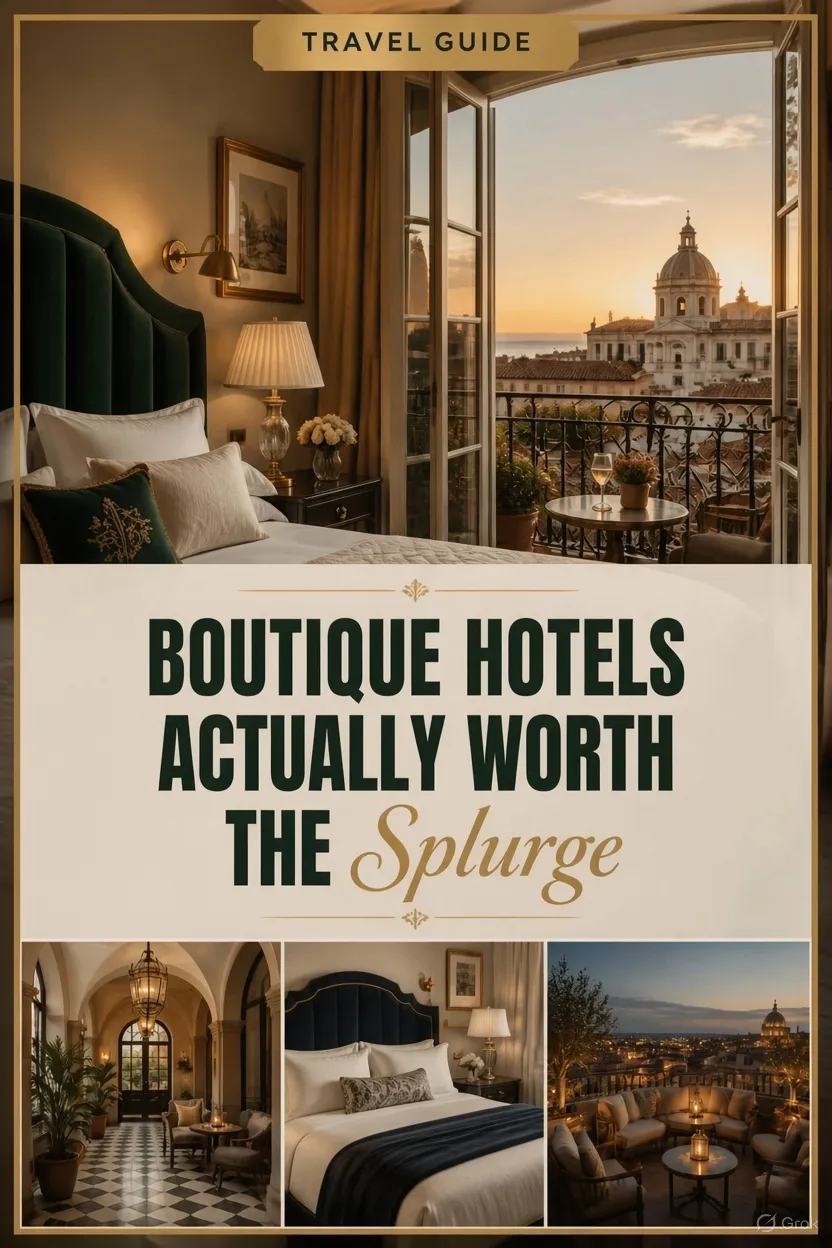
Boutique hotels are typically smaller properties, often with a limited number of rooms. They emphasize individuality, distinctive design, and a strong sense of place. Service tends to feel personal and less formal, sometimes with owners or managers closely involved. Many are located in city neighborhoods or characterful areas, positioning guests close to local life, restaurants, and culture.
Luxury resorts, by contrast, are usually larger and more self-contained. They are designed so that the property itself becomes a major part of the holiday. Guests can expect extensive facilities—multiple dining options, expansive pools, spas, fitness centers, organized activities, and often family-friendly amenities. Locations frequently favor scenic settings such as beaches, countryside, or resort areas where the surrounding environment enhances the on-site experience.
Atmosphere and Scale
The most noticeable difference lies in atmosphere. Boutique hotels offer intimacy. With fewer guests, shared spaces feel quieter and more personal. Design often carries a clear point of view, whether through local craftsmanship, bold interiors, or a narrative tied to the building’s history. The result is a stay that feels unique and memorable.
Luxury resorts deliver expansiveness and completeness. The scale allows for variety—different pools for different moods, several restaurants, and spaces that accommodate both privacy and social activity. Service is typically highly structured and anticipatory, with larger teams ensuring consistency across a wide range of needs. For many travelers, this creates a sense of seamless ease.
How the Stay Fits the Trip
A useful question to ask is how much of the trip will be spent at the accommodation itself. Boutique hotels generally work best when the destination outside the front door is the main attraction. Guests use the hotel as a stylish, comfortable base while spending days exploring neighborhoods, museums, markets, or countryside. The smaller scale and central or characterful locations support this style of travel.
Luxury resorts shine when the property is intended to be a central part of the holiday. Travelers who want to unpack once and have dining, wellness, recreation, and relaxation available without leaving the grounds often prefer this model. Families, couples seeking a restorative break, and those celebrating special occasions frequently find the range of facilities and the self-contained environment more convenient and enjoyable.
Service Style and Personalization
Service approaches also differ. In many boutique hotels, interactions feel warmer and more individual. Staff may remember preferences quickly, and the overall tone is less formal. This can create a sense of being a welcomed guest rather than one of many.
Luxury resorts typically excel at polished, comprehensive service. Larger teams support a wider array of requests, from elaborate dining experiences to coordinated activities and spa treatments. Consistency and anticipation are strengths. Both models can feel highly personal; the difference lies more in style and structure than in overall quality.
Facilities and Practical Considerations
Facilities represent another clear distinction. Boutique properties usually offer a curated selection—perhaps one well-regarded restaurant, a compact spa or wellness area, and a thoughtfully designed pool or courtyard. The emphasis is on quality over quantity.
Luxury resorts invest heavily in variety and capacity. Multiple dining venues, extensive spa facilities, children’s programs, sports options, and entertainment are common. This breadth supports longer stays and groups with differing interests. However, the larger number of guests can mean busier shared spaces at peak times.
Location and trip length also influence the decision. City or cultural trips often pair well with boutique hotels. Beach, mountain, or pure relaxation trips frequently favor resorts. Short stays may suit the character and convenience of a boutique property, while week-long vacations can make fuller use of a resort’s amenities.
Making the Choice in 2026
Neither option is inherently superior. Boutique hotels appeal to travelers who value character, intimacy, design, and connection to the surrounding place. They reward curiosity about the destination and often leave guests with a stronger sense of having experienced somewhere distinctive.
Luxury resorts suit those who prioritize ease, variety, and the ability to enjoy a high level of comfort without needing to leave the property. They excel at delivering a complete, low-effort holiday experience, particularly for families or longer leisure trips.
Many travelers now look beyond labels and focus on the specific property. A well-run boutique hotel can feel deeply luxurious through thoughtful details and personal attention. A thoughtfully designed resort can offer genuine sense of place and quieter corners alongside its facilities. Reading recent guest experiences, clarifying priorities for the trip, and considering how days will actually be spent usually leads to the better match.
In 2026, the most satisfying stays come from alignment between the traveler’s intentions and the strengths of the property. Whether the preference is for an intimate, characterful base or a comprehensive, self-contained retreat, both boutique hotels and luxury resorts continue to offer compelling ways to experience a destination—provided the choice matches the kind of trip being planned.
Read more – gloryhouseworld.com