
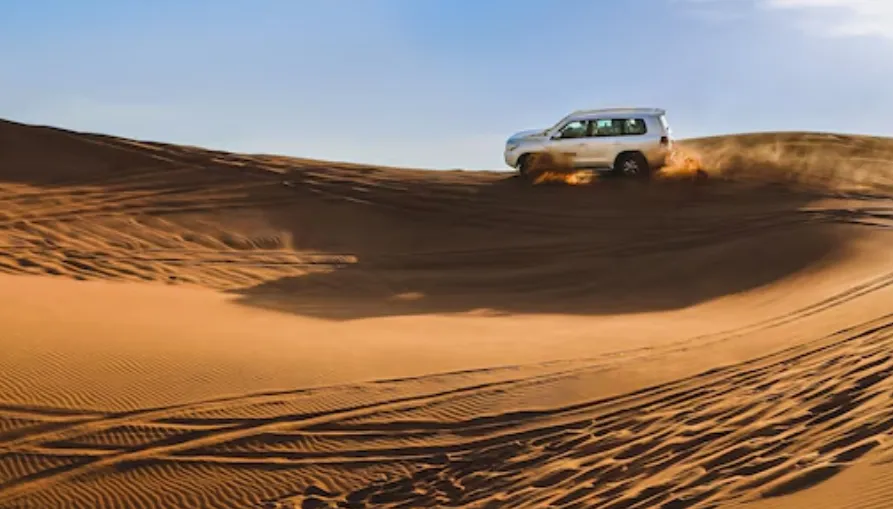
The difference between a good trip and a memorable one is rarely the itinerary. It is the texture of the days: who greets you in the morning, where you stop for lunch, how the evening unfolds. Authentic Morocco tours pay attention to that texture. Paired with the scenery of the Atlas, the kasbah valleys and the Sahara, they turn standard Morocco tours into something personal. This guide follows a typical day on the road to show where authenticity appears, and what to expect from Morocco desert tours.
Morning: Breakfast and a Proper Start
A well-run tour begins without a rush. Breakfast in a family-run riad or kasbah guesthouse usually means fresh bread, olive oil, jam, eggs and mint tea, often prepared by the host family. This is a good moment to ask questions about the area and the day ahead.
What to look for:
- A driver-guide who briefs you on the route and offers choices
- Flexible departure times based on weather, energy and interests
- Accommodation owned by local families, which keeps income in the community
Mid-Morning: The Road as Part of the Journey
Morocco is larger than it looks on a map, and mountain roads are slow. On a route such as Marrakech to Fes, the crossing covers roughly 700 kilometers. The drive can be the highlight when the driver knows where to stop.
- The Tizi n’Tichka Pass: One of the highest roads in the country, with wide views and village stops.
- Aït Benhaddou: A UNESCO-listed fortified village once tied to caravan trade. A local guide brings its earthen architecture to life.
- Ouarzazate: Known as the “Hollywood of Morocco” for its film studios.
Local drivers also know the roadside stalls worth stopping at, from fresh orange juice to handmade pottery.
Midday: Lunch with a Story
Lunch is an easy place to add authenticity. Instead of a standard tourist restaurant, ask for a home-cooked meal with a Berber (Amazigh) family, or a small local café serving tagine, couscous and fresh salads. Sharing food often leads to conversations about farming, family, craft and daily life.
Other midday options include:
- A cooperative visit, especially a women-run weaving or argan collective
- A palm-grove walk in the Draa or Todra valleys, following centuries-old irrigation channels
- A short hike through Todra Gorge, where limestone cliffs rise steeply above a cool stream
Late Afternoon: Into the Dunes
On Morocco desert tours, the late afternoon is the emotional peak. At Merzouga, a camel caravan carries you into the Erg Chebbi dunes, where sand ridges rise more than 100 meters above the plain. The ride takes about an hour, and the light turns gold.
At camp, expect a traditional dinner, live drumming around a fire and a sky crowded with stars. Away from city light, the silence is remarkable.
Choosing a Camp
- Traditional camps: Simple tents and shared facilities. Rustic and atmospheric.
- Comfort camps: Real beds, en-suite bathrooms and better bedding.
- Luxury camps: Spacious suites, heating in winter and refined dining.
Confirm bedding, bathrooms and heating in advance, since desert nights can approach freezing in winter.
Evening and Next Morning: Sunrise and Slowness
Sunrise over the dunes shifts the sand from gold to soft pink, and it is worth the early alarm. In the Middle Atlas or a city medina, evenings can be equally rewarding: a rooftop dinner in Marrakech, or a guided walk through Fes el-Bali, one of the largest car-free urban areas in the world.
How to Recognize Authentic Morocco Tours
The word is overused, so look for evidence:
- Local guides and drivers who share personal stories rather than scripts
- Family-run stays that support local communities
- Hands-on experiences, such as bread baking, tagine cooking or craft workshops
- Small groups or private travel, which allow spontaneous stops
- Responsible practices, including fair wages, respect for customs and sensitive photography
- A balanced pace, with time to wander and sit with a glass of tea
Ask operators for specific examples. Detailed, confident answers are a good sign, while vague promises of “real Morocco” are not.
Choosing Among Morocco Tours
- Compare inclusions: accommodation, meals, camel ride, entrance fees and transport.
- Request a day-by-day itinerary with hotel and camp details.
- Ask about guide and driver experience on mountain and desert roads.
- Read recent, detailed reviews that mention people and moments.
- Check pricing transparency, including tips, drinks and optional activities.
- Be wary of the lowest price, which often means larger groups or rushed schedules.
Best Time to Go
- Spring (March to May): Mild weather and green valleys. The most balanced season.
- Autumn (September to November): Clear skies and comfortable temperatures.
- Winter (December to February): Pleasant days but very cold desert nights. Pack warm layers.
- Summer (June to August): Extremely hot inland. Better for the coast and mountains.
Book early for spring and autumn, especially for private tours and luxury camps.
Practical Tips
Pack a light scarf for sun and sand, sunglasses, sunscreen, sturdy shoes and a warm jacket for the evening, plus a power bank since charging in camp is limited. Take a small daypack to the dunes and leave your main luggage in the vehicle. Dress modestly in villages and medinas, ask permission before photographing people, learn a few greetings such as shukran (thank you) and carry small cash for tips.
Conclusion
The best Morocco tours are made of small, well-chosen moments: a shared breakfast, a village stop, a camel ride at sunset. Authentic Morocco tours protect those moments through local guides, family-run stays and an unhurried pace, while Morocco desert tours add the unforgettable experience of a night among the dunes.
Choose a reliable local operator, compare details rather than slogans and leave room for the unplanned. In Morocco, that is often where the best stories begin.